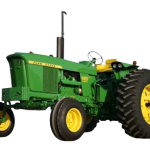


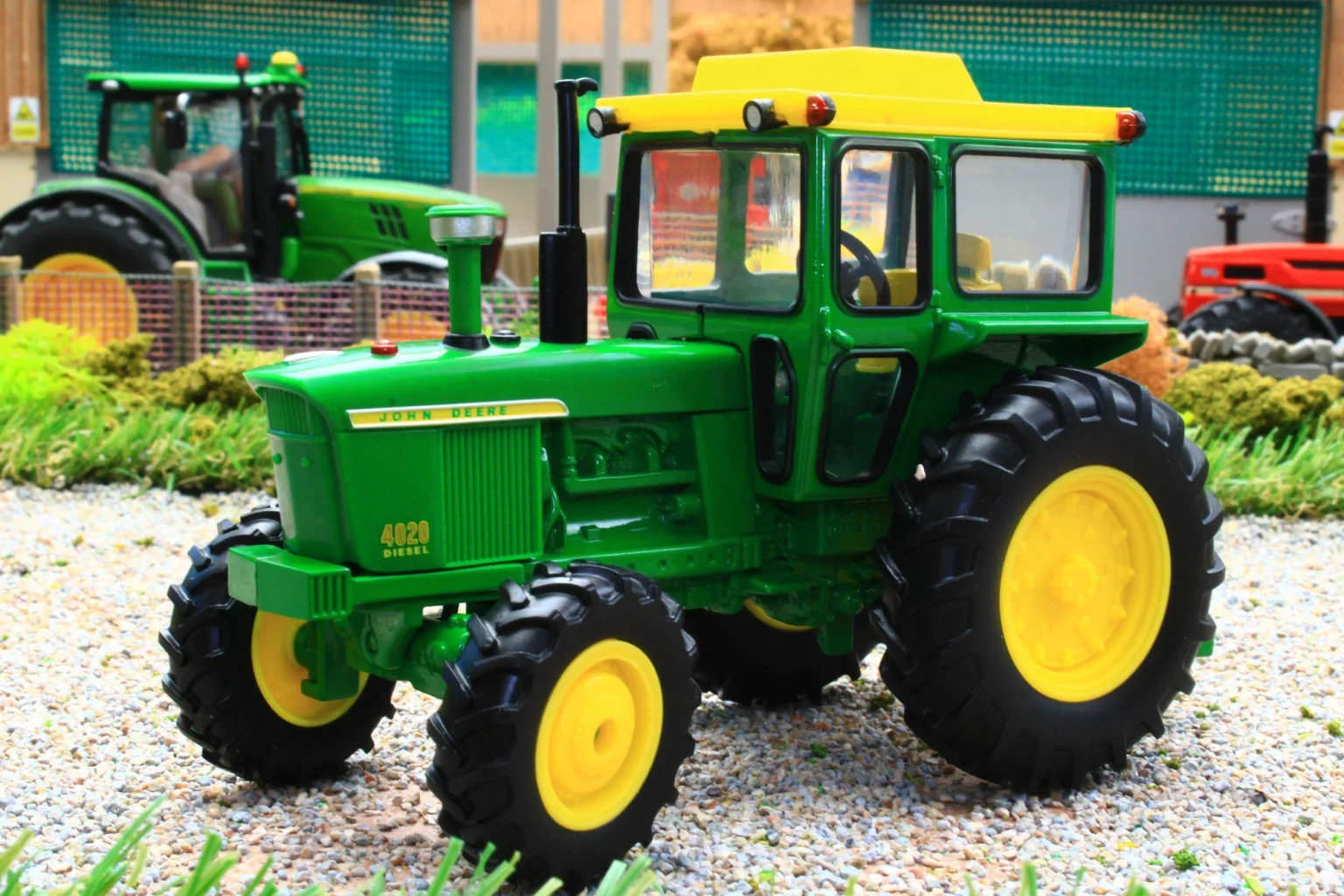
The John Deere 4020 is a true legend. As the king of the New Generation tractors (1963-1972), it redefined farm power with its robust diesel engine, revolutionary Power Shift transmission, and unmatched versatility.
Deciding to buy one is the easy part. Finding a good example at a fair price requires careful knowledge. This comprehensive buying guide is designed to be your essential companion in that process.
We will walk you through everything: from understanding different models and key specifications to a detailed mechanical inspection checklist. You’ll learn how to assess condition tiers, navigate current market prices, and avoid common pitfalls.
Whether you seek a working field tractor or a showpiece, this guide provides the insights you need to invest wisely in an American icon. Let’s get started.
Why the John Deere 4020? Understanding the Legend
The John Deere 4020 isn’t just another old tractor. It is the definitive icon of 20th-century American farming, a machine whose reputation for bulletproof reliability and revolutionary design continues to make it a top purchase decades after production ended. Understanding why it earned this legendary status is the first step in appreciating its value on today’s market.
A Historical Powerhouse
The 4020 was the flagship of John Deere’s “New Generation of Power,” introduced in 1963. This wasn’t a simple update; it was a complete reinvention. It dramatically increased horsepower over its predecessor, offered unprecedented hydraulic capacity with its closed-center system, and introduced a level of operator comfort with its optional Sound-Gard body (the “roll-o-matic” cab) that was revolutionary for its time.
It directly challenged and surpassed competitors, helping to redefine the power and capability expected from a row-crop tractor. Buying a 4020 means owning a pivotal piece of agricultural history.
Configurations & Key Specifications
Not all 4020s are created equal, and knowing the specifications is crucial. It was offered with three engine options: the widely coveted and more fuel-efficient Diesel, the simpler Gasoline, and the niche Liquefied Petroleum (LP). The transmission is where value diverges sharply: the revolutionary 8-Speed Power Shift (introduced in 1965) is the most desirable for its seamless, on-the-go shifting.
The Synchro Range is a stout and reliable manual option, while the early Collar Shift is less sought-after. With approximately 93 horsepower at the PTO for the diesel model, it delivered serious, usable power for its era.
The 4020 in the Modern Era
So, what can a 50+ year-old tractor do today? The answer is: almost anything you need on a small to mid-sized farm. Its timeless utility shines in vintage farming, hay work (raking, tedding), light tillage, spraying, and operating a loader. Its simple, mechanical design makes it relatively easy to repair and maintain compared to modern, computerized machines.
Beyond work, it has become a premier collector’s showpiece, with fully restored models commanding top dollar at auctions. Whether you need a dependable worker or a proud restoration project, the 4020’s versatility secures its enduring relevance.
Key Factors to Evaluate Before You Buy the 4020
A thorough, system-by-system inspection is non-negotiable when buying a John Deere 4020. Its reputation for durability means many are still working, but decades of use take their toll. Don’t fall in love with a shiny coat of paint; focus on these critical mechanical areas to uncover the true condition and avoid expensive surprises.
Engine & Power Plant Deep Dive
Start by identifying the engine. The Diesel is the most desirable for its torque and fuel economy, but listen for excessive knock and check for significant blow-by (smoke from the oil filler tube). Faulty fuel injection pumps or injectors are a common and costly repair. Gasoline engines are simpler but thirstier; watch for overheating and cracked cylinder heads, a known issue.
LP models are rare and often come with fuel system challenges. Regardless of type, check for blue (oil) or black (fuel) exhaust smoke under load, inspect for major oil leaks, and ensure the cooling system is full and not contaminated with oil, which could indicate a failing oil cooler or head gasket.
Transision & Rear End Inspection
The transmission defines the driving experience and value. The 8-Speed Power Shift is the holy grail. To test it, you must operate the tractor under load—driving up a slight incline is ideal. Shift through all forward and reverse ranges while moving; any hesitation, slippage, or failure to engage is a major red flag. For the Synchro Range, feel for grinding or difficulty engaging gears.
In all cases, listen for whining or grinding noises from the rear end. Physically check for rear axle seal leaks (wetness inside the brake drums), test the differential lock for engagement, and operate both the Independent (live) and Transmission PTOs (if equipped) to ensure they engage smoothly and spin true without excessive wobble.
Hydraulics, 3-Point Hitch & Steering
These systems are the tractor’s “hands.” Test the hydraulics by using the 3-point hitch to lift a heavy implement—it should raise smoothly and hold position without sagging. Listen for the pump straining. The power steering is a known trouble spot. Turn the wheel lock-to-lock at idle; it should be smooth. “Jerky” or non-responsive steering indicates wear in the priority valve, steering motor, or pump, requiring an involved and potentially expensive rebuild.
Finally, become a detective for leaks. Crawl underneath and look for seepage or drips from hydraulic line connections, the hydraulic pump, the steering cylinder, and the remote valve outlets. Significant leaks point to needed seal kits and overhauls.
Condition Tiers: From Parts Tractor to Pristine
Not every John Deere 4020 is in the same shape, and prices vary wildly based on condition. Honestly assessing which tier a tractor falls into will help you align your budget, skills, and expectations. Knowing the difference between a “field-ready” workhorse and a “show-ready” masterpiece is crucial to making a smart purchase.
Project & Parts Tractors
This tier is for the mechanically brave or those needing a donor machine. A Project Tractor is typically non-running, severely worn, or has a major component failure (like a cracked block or destroyed transmission). It may be complete but languishing in a fence row.
A Parts Tractor is often incomplete, cannibalized for key components. Purchasing at this level requires a clear plan, a large workspace, and a deep parts budget. The value is in the salvageable components: a cast-iron rear end, a useable hydraulic pump, or sheet metal. This is a high-risk, high-effort endeavor with potential for great reward—or a permanent yard ornament.
Good “Worker” Grade
This is the sweet spot for most buyers seeking a usable, reliable machine without a concours restoration price tag. A “Worker” Grade 4020 runs and operates well in all essential functions: engine, transmission, hydraulics, and PTO. The flaws are primarily cosmetic: faded or peeling “John Deere Green,” dents in the sheet metal, a cracked or worn-out seat, and surface rust.
It will likely need immediate mechanical refreshing, such as new fluids, filters, brakes, or minor hydraulic seals. This tractor is bought to work, not to show. It’s the most common and practical find for an active farm, offering the legendary 4020 capability at a more accessible price point.
Fully Restored & Collector Quality
Here, you are investing in a piece of functional art. A Fully Restored 4020 has undergone a professional, nut-and-bolt restoration or has been meticulously maintained in like-new condition for decades. Expect perfect, correct-period paint, all new or excellent chrome and decals, new tires, and completely rebuilt or meticulously serviced major systems.
A true Collector Quality tractor will often have documentation of the restoration and/or low original hours. It commands a premium price, often two to three times that of a good “Worker.” This tier is for the purist, the serious collector, or someone who wants absolute reliability and pride of ownership without turning a single wrench themselves.
The Financials: Pricing, Valuation & Hidden Costs
Understanding the market and the true cost of ownership is where savvy buyers separate themselves from sentimental spenders. A 4020’s price tag is just the entry fee; a clear-eyed view of its value and the inevitable follow-up costs will protect your investment and ensure you get a tractor that fits your financial reality.
Market Price Ranges (2026)
Prices are highly variable by region and specific configuration, but as a general guide in the current market:
Project & Parts Tractor: $3,000 – $8,000. This buys a non-runner or a tractor with major mechanical issues. Value is in salvageable parts.
Good “Worker” Grade: $8,000 – $18,000. The broad and most common range. A diesel Power Shift model at the top end; a gas Synchro Range at the lower end.
Fully Restored & Collector Quality: $18,000 – $35,000+. Premium examples, especially with original low hours or documented professional restorations, can exceed $35,000.
Critical Price Modifiers: The 8-Speed Power Shift can add $3,000-$7,000 over a Synchro Range. A factory Sound-Gard Body (the original “cab”) adds value and complexity. Original, unmolested tractors with good history often command more than a fresh but undocumented repaint.
The Must-Check List & Negotiation Levers
Your inspection findings are your primary negotiation tools. Quantify the cost of every deficiency and present it calmly as a basis for your offer.
Tires: A full set of new rear ag tires can cost $2,000-$3,500+. Worn, weather-cracked, or mismatched tires are a major leverage point.
Hydraulic & Steering Issues: Non-functioning power steering or major hydraulic leaks signal an immediate rebuild, easily a $1,000-$2,500 repair. Use this.
Non-Functioning Systems: A dead PTO, inoperable 3-point hitch, or faulty differential lock each represent significant repair bills. Itemize them.
The Hidden Cost of Ownership
Budget for these likely expenses after purchase:
Immediate “Freshen-Up”: Fluids, filters, belts, hoses, and minor seals: $300 – $800.
Major Wear Items: A complete hydraulic and power steering system overhaul can reach $2,000+ in parts and machining. Power Shift repairs are specialized and costly ($3,000+ for a rebuild). A new clutch for a Synchro Range is a labor-intensive job.
The Silver Lining: Parts availability is generally excellent due to the 4020’s immense popularity. From aftermarket suppliers to specialized salvage yards, you can find almost anything, which helps control long-term costs. Factor in at least a 15-20% buffer over your purchase price for initial repairs and commissioning.
The Final Decision & Purchase Process
You’ve found a promising candidate and completed your inspection. Now, it’s time to make the final call and navigate the purchase process with confidence. This phase is about due diligence and smart logistics to ensure a smooth transition of ownership and a safe trip to your shed.
Pre-Purchase Inspection (PPI) Essentials
Never skip the hands-on, in-person inspection. If you’re not a mechanic, bring a knowledgeable friend or hire a local diesel mechanic for an hour—it’s the best money you can spend. Insist on a cold start; a tractor that only starts when warmed up may have compression or injection issues.
You must operate it under load, either driving it up an incline or hooking it to a heavy implement to test transmission engagement, engine power, and hydraulic strength. Finally, take a flashlight and scrutinize the chassis and axle housings for weld repairs. Major cracks or amateur welds on load-bearing components are a severe red flag that can compromise structural integrity and safety.
Paperwork & Provenance
While often sparse, paperwork adds value and tells a story. First, locate and verify the serial number. On the 4020, it’s stamped on a plate on the left side of the engine block, above the water pump. Use it to confirm the model year. Ask the seller for any service records, original manuals, or purchase receipts—these indicate cared-for ownership.
Crucially, ask directly: “Has it been completely repainted?” A fresh paint job can be a sign of pride, but it can also be a “cosmetic cover-up” for rust, leaks, or repair zones. Probe about what work was done prior to painting. Provenance builds confidence in your investment.
To Transport or Drive Home?
This decision hinges on condition and distance. For a “Worker” grade tractor deemed road-ready (good tires, lights, brakes) and within a 30-50 mile distance, driving it home on back roads can be feasible and memorable. For longer distances, any Project tractor, or a pristine Collector model, professional transport is mandatory.
The cost of a flatbed tow truck or specialized equipment hauler ($2-$4 per mile is a common estimate) is a small price for avoiding a catastrophic roadside breakdown, unnecessary wear, or damage to a freshly restored machine. Always factor transport cost into your total budget from the start.
Our Conclusion
The John Deere 4020’s enduring appeal is a powerful testament to simple, solid engineering. It was built in an era where form followed function, durability was paramount, and repairs didn’t require a computer. This intrinsic quality is why it remains not just a collectible, but a viable and sought-after working machine more than fifty years after it first rolled off the line.
Choosing to buy a 4020 is more than a simple purchase; it’s an investment in a piece of living agricultural history. A well-chosen example, thoroughly inspected and fairly priced, is an asset that can still earn its keep on your farm while holding its value remarkably well. It represents a tangible connection to the past that remains powerfully useful in the present.
Your journey to finding the right one requires patience and a thorough, unemotional inspection. Use this guide as your roadmap, but don’t stop here. Connect with the community—online forums, local tractor clubs, and experienced collectors are invaluable resources for advice, parts sourcing, and wisdom. Take your time, ask questions, and look beyond the paint.
Now that you’re equipped with the knowledge, you’re ready to find the legendary 4020 that’s right for you. Happy hunting, and may your new old tractor bring years of reliable service and pride.